Nutrition
Mushrooms on the Mind
Mushrooms aren’t just tasty toppings on pizza or found in salad bars; they’re nutrient powerhouses that bring flavor, sustainability and versatility to the table and also may benefit brain health.
As a part of the MIND diet, a plant-forward eating pattern designed to support brain health, mushrooms provide several nutrients and bioactive compounds that may play a role in supporting brain health, with ergothioneine being the standout.
Getting to Know ERGO
Ergothioneine, or ERGO, is an amino acid that is being examined for its role in brain health. Lower blood levels of ergothioneine may be associated with the severity of cognitive disease2. Some researchers suggest that the American diet may be low in ERGO, a nutrient that may help protect against chronic age-related diseases, including cognitive decline1.
An analysis of U.S. adults aged 60 and older using NHANES data found that participants who reported eating more mushrooms performed better on several cognitive tests, including measures of memory and processing speed. These encouraging results suggest mushrooms could play a role in supporting normal cognitive function in aging. Because the study was cross-sectional and relied on self-reported diet, the findings show associations rather than cause and effect. Still, this nationally representative study highlights a promising link that warrants further prospective and clinical research to better understand the potential role of mushrooms in maintaining brain health.1
Mushrooms are one of the top food sources of ERGO. Shiitake, oyster, king trumpet and lion’s mane are especially abundant in ERGO.
Ergothioneine Across Mushroom Varieties*
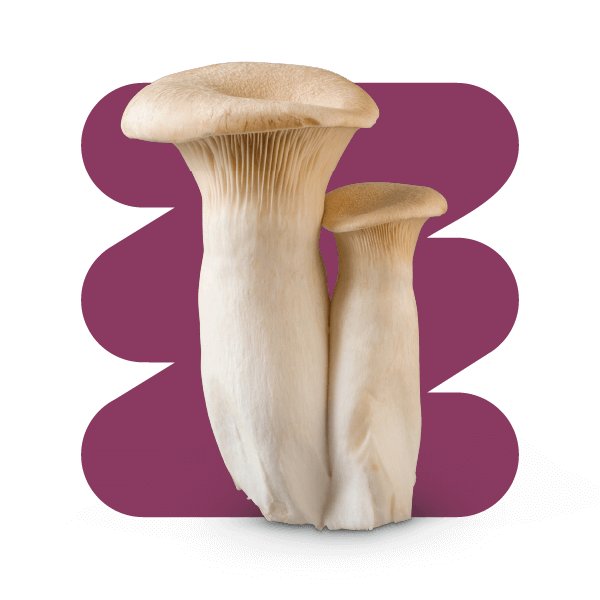
King Trumpet
24 mg
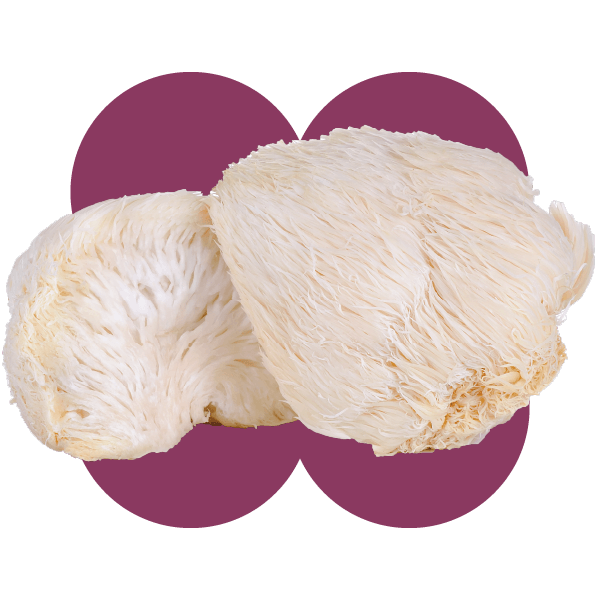
Lion's Mane
17 mg
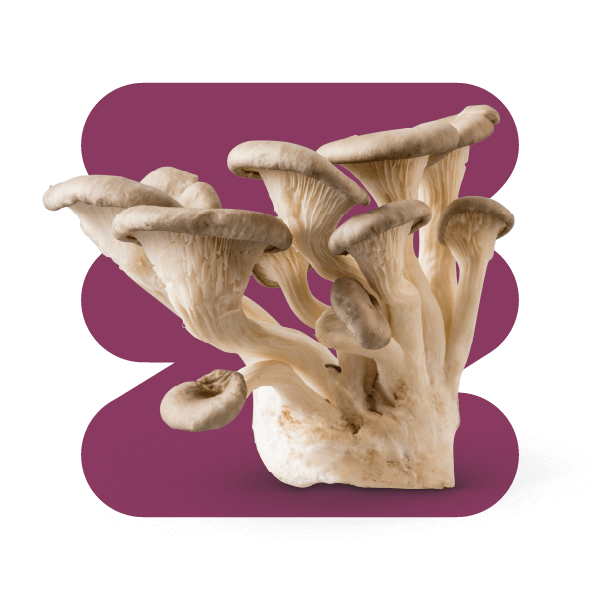
Oyster
14 mg
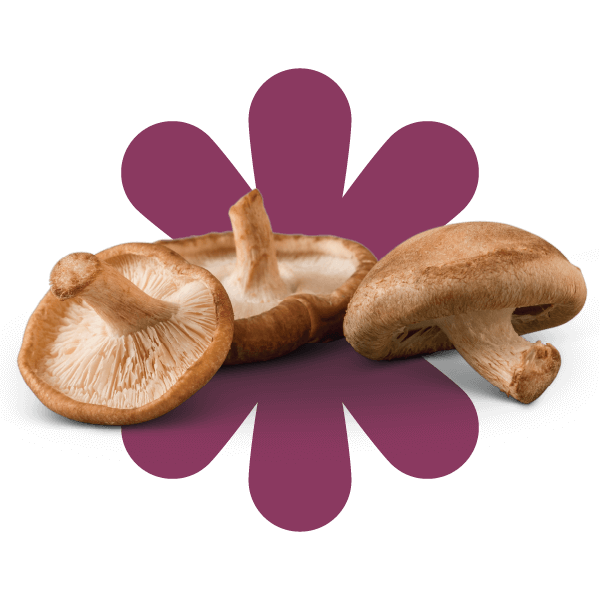
Shiitake
11 mg
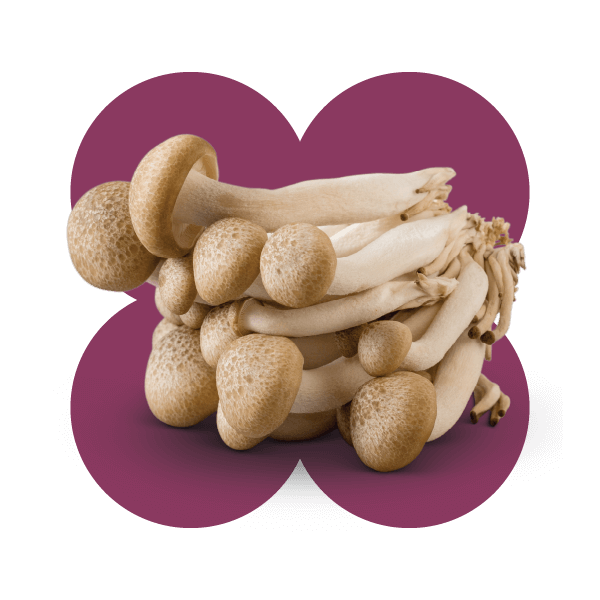
Beech
5 mg
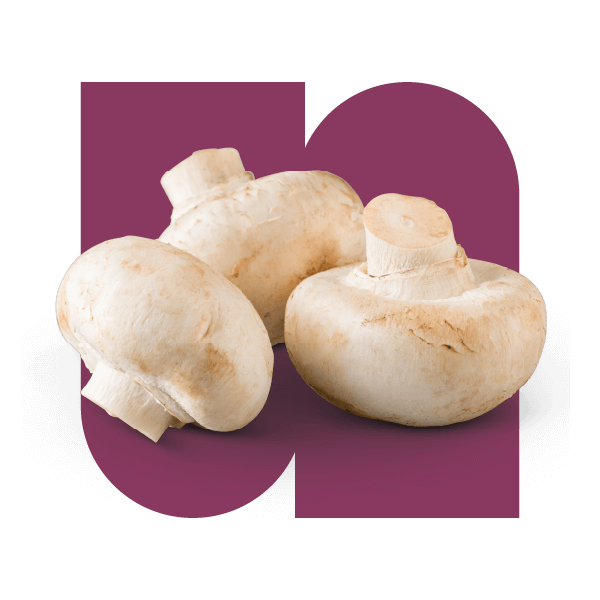
White Button
4 mg
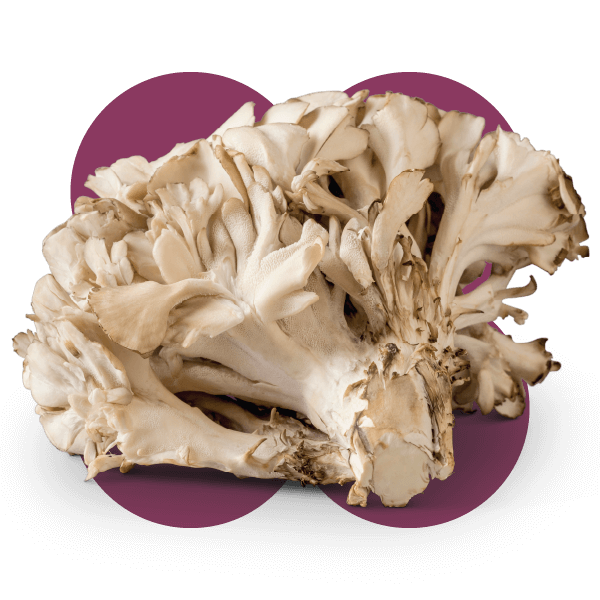
Maitake
2 mg
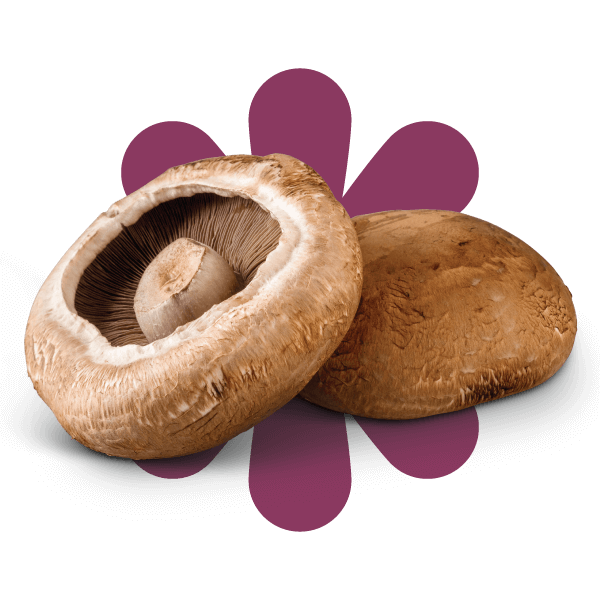
Portabella
2 mg
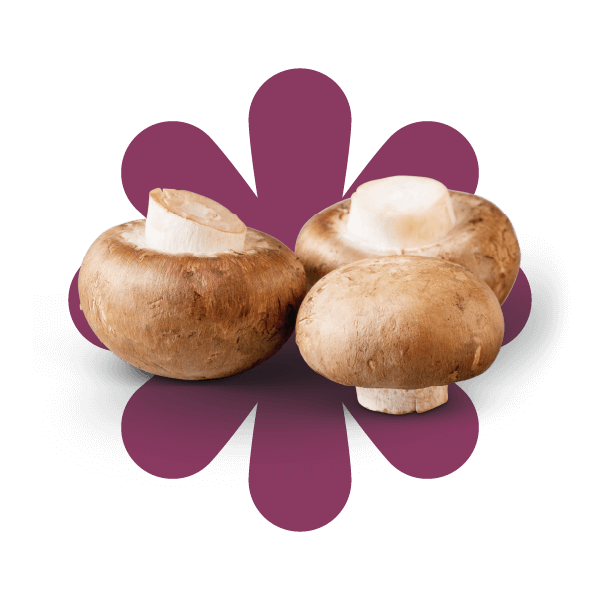
Crimini
1 mg
*per 100g of mushrooms, USDA FoodData Central, Foundation Foods, 2025.
Getting to Know ERGO
Here’s a look at the science:
- A prospective study of nearly 500 older adults attending memory clinics in Singapore found that those with lower blood levels of ergothioneine, an amino acid found in mushrooms, experienced faster decline in memory, language, and daily function over several years. These findings are compelling because they suggest ergothioneine may serve as an early marker of cognitive decline, pointing toward new avenues for research on diet and brain health. Although the study was observational and conducted in a clinical population, the results underscore the need for further trials and broader population studies to clarify whether ergothioneine could play a protective role in cognitive aging.2
More Mushrooms, More Memory?
Emerging evidence suggests mushrooms might do more than flavor your meals — they may also support your brain health with age.
- In a study of over 600 older adults in Singapore, researchers found that higher mushroom consumption was associated with a substantially lower likelihood of having mild cognitive impairment. This observation is especially intriguing, as the association remained significant even after adjusting for demographic and lifestyle factors. While the cross-sectional design means we cannot conclude causality, the findings add to a growing body of evidence pointing to mushrooms as a potentially beneficial dietary component for cognitive health. Additional longitudinal and interventional studies will be important to confirm and extend these promising results in other populations.3
1 Ba DM, Gao X, Al-Shaar L, Muscat J, Chinchilli VM, Ssentongo P, Beelman RB, Richie J. Mushroom intake and cognitive performance among US older adults: the National Health and Nutrition Examination Survey, 2011-2014. Br J Nutr. 2022 Dec 14;128(11):2241-2248. doi: 10.1017/S0007114521005195. Epub 2022 Feb 4. PMID: 35115063; PMCID: PMC9661370.
2 Wu LY, Cheah IK, Chong JR, Chai YL, Tan JY, Hilal S, Vrooman H, Chen CP, Halliwell B, Lai MKP. Low plasma ergothioneine levels are associated with neurodegeneration and cerebrovascular disease in dementia.
Free Radic Biol Med. 2021 Dec;177:201-211. doi: 10.1016/j.freeradbiomed.2021.10.019. Epub 2021 Oct 19. PMID: 34673145.
3 Feng L, Cheah IK, Ng MM, Li J, Chan SM, Lim SL, Mahendran R, Kua EH, Halliwell B. The Association between Mushroom Consumption and Mild Cognitive Impairment: A Community-Based Cross-Sectional Study in Singapore. J Alzheimers Dis. 2019;68(1):197-203. doi: 10.3233/JAD-180959. PMID: 30775990.